.png?w=434&h=130)
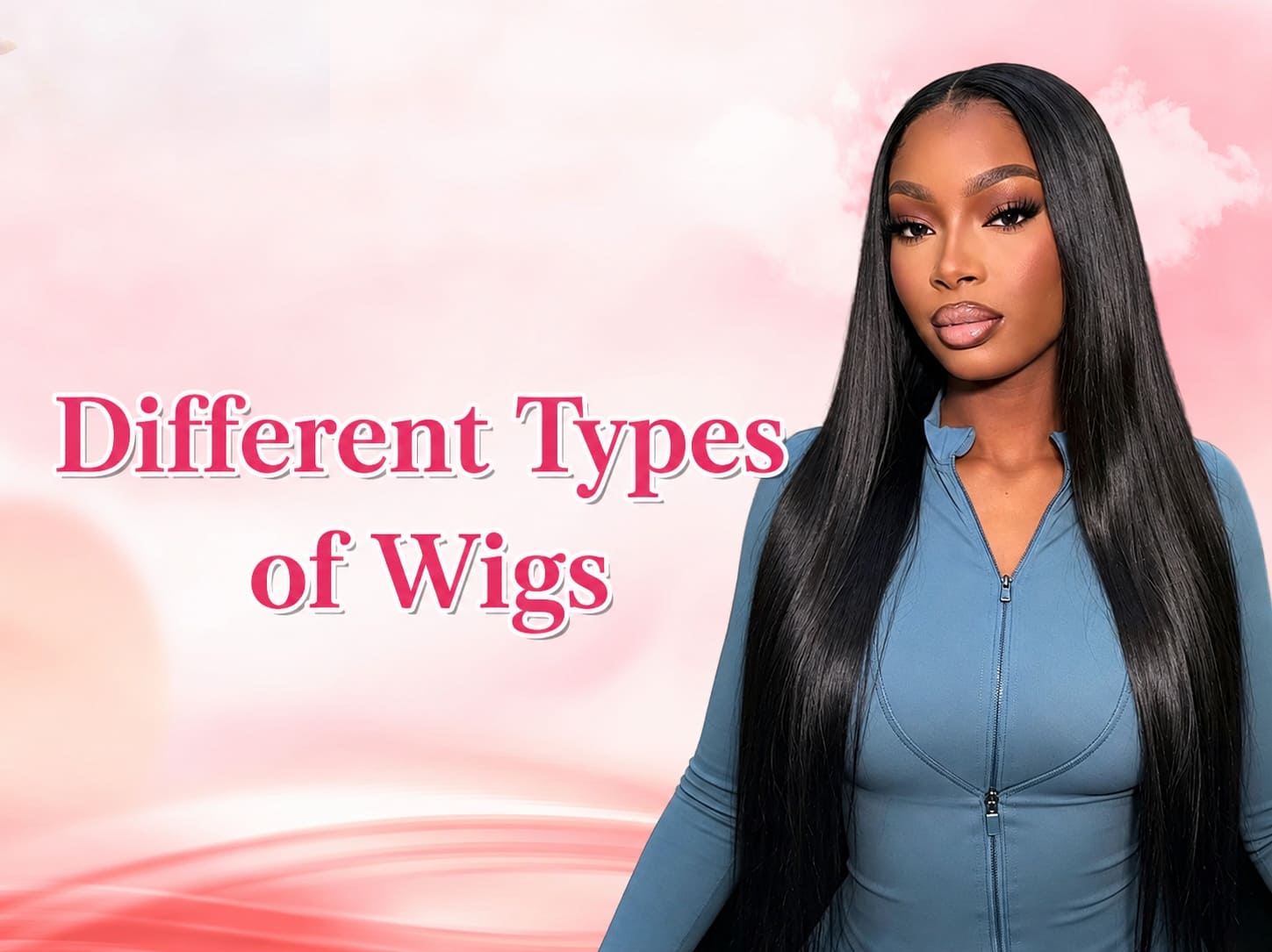 Nowadays, making a decision on the right wig may be challenging, especially since there are so many different wig types. Today, in our guide, we will explore the most popular different hair types and help you discover which wig style is the best fit for you.
Why Understanding Wig Types Matters
People choose different types of wigs for different needs. Some may want a natural-looking hairline, while others are looking for an easy, beginner-friendly option or a style that offers more flexibility. Different wig types come with their own features and benefits, so understanding these differences can make it easier to choose the one that fits your lifestyle, styling preferences, and everyday needs.
What Are the Different Types of Wigs?
Wigs are usually classified based on several key criteria, including hair material, wig construction, and hair length. Understanding these classifications can help you compare different wig types, including their features, quality, price range, and suitability for different needs.
Types of Wigs by Hair Material
The material used to make a wig affects the wig's appearance, feel, styling flexibility, and lifespan.
Human Hair
Human hair wigs are made up of 100% human hair. These wigs can be styled with heat, dyed, or trimmed much like natural hair.
Virgin Hair
Virgin hair is 100% natural human hair that has never been chemically processed or treated. Virgin hair is usually more expensive, but wigs made with virgin hair can last longer with proper care.
Remy Hair
Remy hair has cuticles aligned in the same direction, which helps the hair strands stay smooth, reduces tangling, and creates a more natural appearance.
Non-Remy Hair
Non-Remy hair is also human hair but collected from multiple sources with mixed cuticle directions. Non-remy hair is usually coated with silicone for shine, but that smoothness fades after a few washes.
Synthetic Hair
Synthetic hair is made from acrylic, nylon, or polyester fibers. Synthetic hair can also hold its style permanently—curly stays curly and straight stays straight—even in rain or humidity.
Types of Wigs by Construction
The way hair strands are attached to a wig cap affects how the wig moves, how natural the hairline looks, and how many styling options the wig offers.
Lace-front wigs run across the front from ear to ear, creating a natural-looking hairline. Great for pulling hair off your face—ponytails, side parts, you name it.
Full lace wigs cover the entire cap. Maximum versatility. Part it anywhere, or wear it in high ponytails or braids—the cap stays hidden. Lightweight and breathable for all-day wear.
360 lace wigs around the entire perimeter, with machine-sewn wefts in the middle. Natural edges all around. Works for high ponytails and buns. A solid middle ground between full lace and lace front—in both price and flexibility.
U-Part wigs can let you leave out some of your own hair for a natural part. Your own scalp is the best appearance. If you have healthy hair, then your hair can add length and volume while protecting your natural strands.
Similar to U-part wigs, V-part wigs have a V-shaped opening. This wig can leave out a small section of your natural hair for a seamless blend — no glue required. Quick, comfortable, and realistic. Cuts down daily styling time and protects your hair.
Headband wigs are friendly to new beginners and hassle-free. This wig comes with a fabric headband instead of lace. Just slip it on and go — no glue, no lace, no stress. Also, this wig is great for casual days, workouts, or quick errands.
Types of Wigs by Popular Styles & Hair Length
Wig length and overall silhouette affect the final look and influence how a wig frames your face.
Bob Wigs: Bob wigs are chin-length, blunt, or angled as well as classic and polished.
Long Wigs: Long wigs are waist-length or longer and glamorous and dramatic. This wig also needs more care to avoid tangling.
Half Wigs: Half wigs cover the top of your head and blend with your own hair, which can give you extra volume or length where you need it.
Straight Wigs: Straight wigs are sleek and smooth and could work for everyday or professional settings.
Curly Wigs: Loose waves or tight curls — curly wigs can give you bounce and body that straight styles just don't have.
Pros and Cons of Different Types of Wigs
In short, you must consider the general pros and cons of wearing a wig before choosing a specific wig in life.
|
Wig Type |
Pros |
Cons |
|
Human Hair Wig |
Most natural look, diverse styling, long-lasting |
Expensive, requires regular maintenance |
|
Synthetic Wig |
Affordable, low-maintenance |
Less natural without heat styling |
|
Lace Front Wig |
Natural-looking hairline |
Limited hair styling |
|
Full Lace Wig |
Natural hairline and maximum styling flexibility |
Expensive and delicate |
|
360 Lace Wig |
Diverse styling options |
More expensive than the full lace wig |
|
U-Part / V-Part / T-Part Wig |
Natural blend and beginner-friendly |
Requires natural hair blending but with fewer styling choices |
|
Headband Wig |
Easy to install without glue as well as comfortable for daily wear |
Less natural hairline and limited hairstyling |
|
Bob Wig |
Classic style |
Single styling option |
|
Half Wig |
Adds volume and length; quick to wear |
Requires skillful blending with natural hair |
|
Long Wig |
Beautiful and dramatic look |
Requires more maintenance and prone to tangling |
|
Straight Wig |
Sleek and polished appearance |
Lack volume if not be layered |
|
Curly Wig |
Realistic texture and natural movement |
Demands careful maintenance and easy to tangle |
How to Find Your Best Wig Type?
With so many wig types available, choosing the right wig is not just about what looks good in photos. Consider your daily routine, how much time you want to spend on styling and maintenance, and how much you are willing to spend. These three factors can help you choose a wig that fits your lifestyle and needs.
Choose a Wig Based on Your Lifestyle
If you plan to wear a wig every day, glueless wigs or Wear Go wigs can be convenient options. These wigs are designed for quick installation and comfortable daily wear and do not require adhesive.
Choose a Wig Based on Your Styling Needs
Lifestyle
If achieving a natural-looking hairstyle is your priority, human hair lace wigs and HD lace wigs are excellent choices.
Styling Preferences
-
Want it to look like your real hair? Human hair lace wigs or HD lace wigs.
-
Like switching things up often? Full lace or 13x6 lace front wigs give you room to play.
-
Just want something fast? Glueless wigs and half wigs do the job with zero fuss.
At the end of the day, it comes down to what you value more—the speed of a glueless wig, the natural hairline of a lace front, or the styling freedom of a full lace. Pick the one that fits your routine best.
Choose a Wig Based on Your Budget
When choosing a wig, price is not the only factor to consider, yet it is the most critical one.
- On a tighter budget? Synthetic wigs or basic cap wigs can be practical options for everyday wear.
- Looking for a balance between price and quality? Glueless human hair wigs and closure wigs can offer a combination of convenience, natural appearance, and value.
- Looking for maximum styling flexibility? Full lace wigs and 100% hand-tied human hair wigs can be worthwhile options if you plan to wear and maintain the wigs regularly.
Decide which factor matters most to you: the realistic look and feel of human hair, the convenience of a glueless wig, or maximum styling flexibility. Once you know your priority, choosing the right wig type becomes much easier.
Find your perfect style at OhMyPretty and see the difference for yourself.
FAQs
What is the most beginner-friendly wig?
Glueless Wigs. Because it's easy to install and remove. Meanwhile, it does not need extra special skills. You can just put it on and go out.
Which wig type is best for everyday wear?
Glueless Closure Wigs. It brings so much convenience, such as a natural look, quick installation, and a seamless hairline, which can let you breathe freely.
Is there a type of wig that looks the most real?
Yes. An HD Lace Full Lace Wig is one of the most suitable types because of the 100% human hair texture, natural movement, and a seamless lace hairline.
What is the difference between synthetic wigs and human hair wigs?
Human Hair: Long-lasting using time (over 1 year). It can be dyed and even trimmed as you like, which provides the most natural feel but is expensive.
Synthetic Hair: Short-lasting using time (1–3 months). It cannot be heated resistantly and has an average texture, but it is affordable.
What is the difference between glueless wigs and traditional wigs with adhesive?
Glueless wigs apply adjustable drawstrings, removable combs, and elastic bands to stay secure, while traditional adhesive wigs require glue or tape for stable installation. So, the traditional wigs may irritate or even damage the natural scalp of users.
How to choose a wig online that is as suitable as possible?
Here are several steps: measure your head size accurately, look for high-quality features like HD lace and pre-plucked hairlines, and then don't forget to check the real-life reviews or feedback through TikTok before purchasing.